 Paths & Paws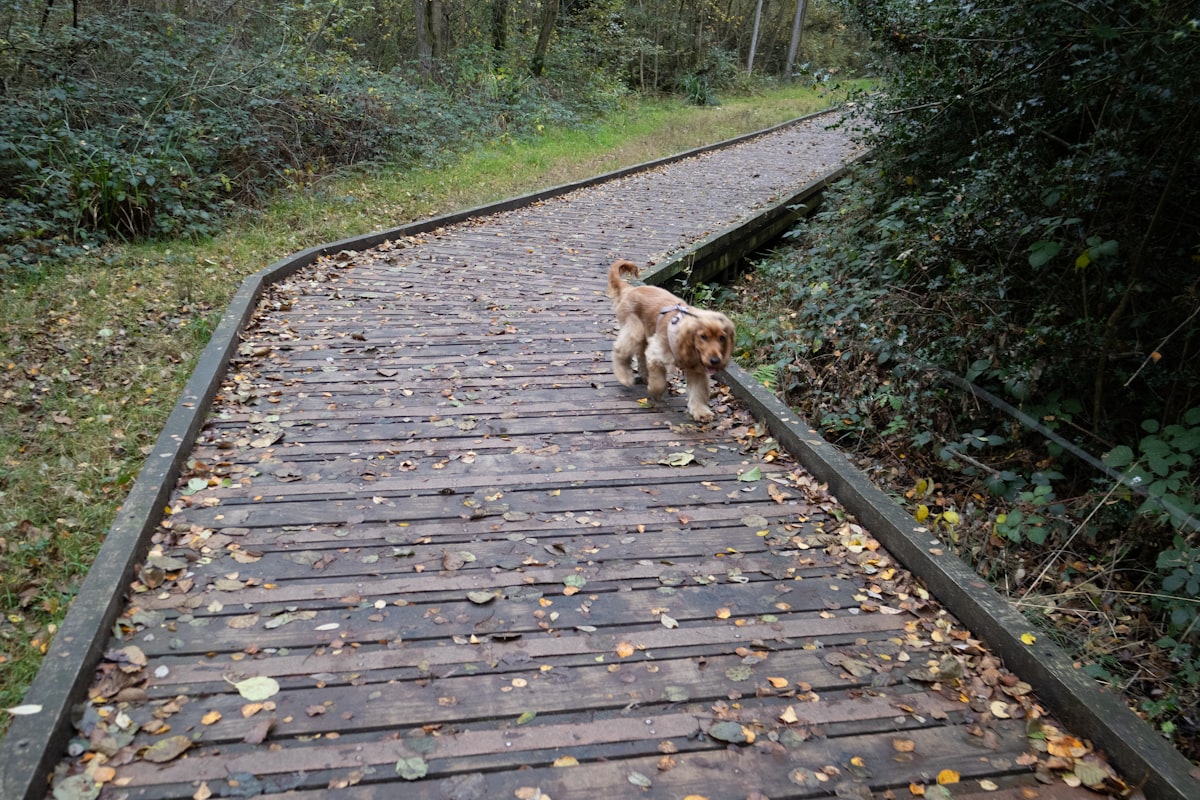
Key Takeaways
- 1Ticks become active when temperatures consistently hit 40°F
- 2Spring ticks are often adult overwintered ticks, larger and hungrier
- 3Leaf litter and low vegetation harbor the highest concentrations
- 4Prevention products need 24-48 hours to reach full effectiveness
- 5First warm spell after winter brings sudden tick explosion
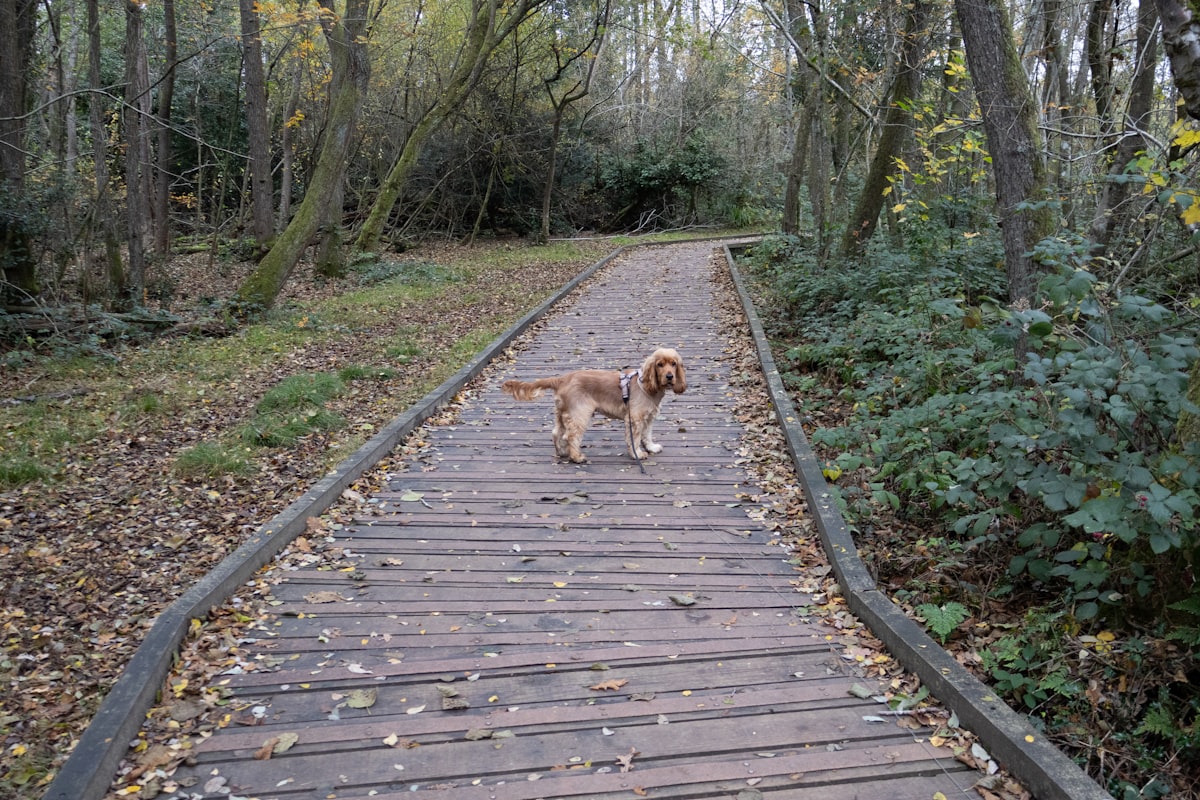
That first warm day after a long winter feels magical. You and your dog are eager to hit the trails again. But while you were waiting out the cold, ticks were waiting too. Scout and I hit the trails on a warm February day last year, temperatures pushing into the mid-50s. I hadn't even thought about ticks. By the time we got home, I found four embedded in his belly and two more crawling on his neck. February. That experience taught me that ticks don't follow the calendar. Early spring tick awareness protects your dog during this vulnerable transition period.
When Ticks Actually Emerge
Forget calendar dates. Tick activity depends on temperature, not season names.
Ticks become active at sustained temperatures above 40°F (4°C). Peak activity occurs between 45°F and 75°F, which is why spring and fall often see the highest numbers. They're less active in extreme heat and cold. A single warm day can activate dormant ticks even if winter isn't over. Cold nights don't kill ticks that have already become active; they just slow down until temperatures rise again.
In most regions, this means tick season starts in late February through March, not May. A February warm spell in the 50s brings ticks out even if snow remains on the ground. They're active wherever bare ground and leaf litter exist.
Don't wait for "tick season" announcements. Watch temperatures instead.
Warning
The first warm hiking day after winter often catches people off guard. Start tick prevention protocols before that day arrives. Products need time to become effective.
Spring Tick Behavior
Early season ticks behave differently than summer ticks. The differences matter for prevention.
These are hungry ticks. Overwintered adults haven't fed since fall, making them aggressive about finding hosts. They cluster in sunny, sheltered spots where the ground warms first, concentrating their numbers in predictable locations. Their questing behavior shifts from passive waiting to active seeking. Ticks climb vegetation and reach out toward passing hosts with their front legs. Depending on your region, you may encounter black-legged ticks, American dog ticks, and lone star ticks all at once.
Early spring ticks are often larger than summer nymphs, making them easier to spot but also more noticeable when they bite. Check carefully after every spring outing.

High-Risk Spring Habitats
Not all trail sections carry equal tick risk. Learn where spring ticks concentrate.
South-facing slopes warm first in spring and ticks know it. Leaf litter accumulations shelter overwintering populations. Low shrubs and tall grass give them perfect questing platforms. Trail edges where vegetation meets the path are prime ambush territory. Areas near water and deer bedding spots also concentrate tick activity.
Open rocky terrain with minimal vegetation carries less risk. Pine needle ground cover tends to deter ticks. Well-groomed wide trails with cleared margins help too. High elevation exposed slopes where conditions turn harsh see fewer tick populations overall.
Stick to trail centers when possible. Avoid bushwhacking through vegetation. Keep your dog from diving into brush piles or tall grass. These simple habits reduce exposure quite a bit.
Prevention Product Timing
Tick prevention products don't work instantly. Plan ahead so protection is active before exposure.
Oral preventatives need 24-48 hours before expected exposure to reach full effectiveness in your dog's system. Topical products should be applied at least 24 hours before hiking and allowed to dry completely before water exposure. Tick collars need at least 48 hours to distribute their active ingredients across your dog's coat.
If you've let prevention lapse over winter, restart before the first warm-weather hike. Don't assume you can dose your dog the morning of a hike and have protection.
Pro Tip
Set a calendar reminder for mid-February to assess your tick prevention status. That way you're protected before the first surprise warm spell hits.
Early Spring Tick Check Protocol
Post-hike checks are non-negotiable in tick season. Spring checks need extra attention.
A systematic check procedure works through stages. Before leaving the trailhead, do a quick visual scan of legs and belly where ticks often first land. Before entering your car, complete a more thorough check to avoid bringing ticks home. At home with good lighting, do a full body inspection where you can take your time. The following day, run a second full check because ticks can take time to settle into their preferred feeding spots.
Spring ticks favor specific spots on dogs. Inside and behind the ears. Around the neck under the collar. Between toes. The groin and armpits. Tail base. Around the eyes. Hit every one of these areas during your inspection.
Run hands against fur direction to feel bumps. Embedded ticks feel like small skin tags. Unattached crawling ticks need capture before they attach. Scout has medium-length fur that hides ticks well. I've learned to run my fingers slowly through his coat like a fine-toothed comb. Rushing the check means missing ticks, and missing ticks means potential disease transmission.
Proper Spring Tick Removal
When you find an attached tick, proper removal prevents complications.
Use fine-tipped tweezers or a tick removal tool. Grasp the tick as close to the skin as possible and pull straight up with steady, even pressure. Don't twist, jerk, or squeeze the body. Clean the bite site with rubbing alcohol once the tick is out. Save the tick in a sealed bag for identification if symptoms develop later.
Avoid common mistakes that make things worse. Don't burn the tick, apply petroleum jelly, or use nail polish. Don't squeeze the body, which can inject tick saliva into the wound. Don't yank quickly, which may leave mouthparts embedded.
If mouthparts remain in the skin, don't dig for them. They'll work out naturally. Keep the area clean and monitor for infection.
Disease Transmission Timing
Early spring ticks carry the same diseases as summer ticks. Transmission timing matters for intervention decisions.
Most tick-borne diseases require 24-48 hours of attachment before transmission occurs. Lyme disease transmission typically requires 36-48 hours of feeding. That's the good news. The bad news is that some diseases like Powassan virus can transmit in just a few hours, so speed still matters even when the odds are in your favor. Early removal dramatically reduces disease risk across the board.
This is why same-day tick checks matter. A tick found and removed within hours of attachment likely hasn't transmitted anything. A tick discovered days later had full opportunity to transmit.
Watching for Symptoms
Even with prevention and checks, monitor for signs of tick-borne illness in weeks following spring hikes.
Lethargy. Decreased appetite. These show up first. Fever is a common early sign of tick-borne illness and should prompt a vet visit. Joint stiffness or limping can point to Lyme disease affecting the joints, sometimes appearing weeks after the initial bite when you've almost forgotten about trail exposure. Swollen lymph nodes suggest the immune system is fighting something. Unusual rash or skin changes around bite sites also warrant attention.
Symptoms can appear 2-4 weeks after a tick bite. Mention recent hiking to your vet if your dog shows concerning signs during tick season. Early treatment for tick diseases is much more effective than late treatment.
Frequently Asked Questions

Sara founded Paths & Paws to share field-tested advice with fellow dog hikers. She believes every dog deserves time on the trail.