 Paths & Paws
Key Takeaways
- 1Growth plates must close before adding weight to a dog's pack
- 2Most dogs shouldn't carry weight until 18-24 months old
- 3Giant breeds need the longest waiting period
- 4Empty pack conditioning can start earlier than weighted carrying
- 5Maximum pack weight is 10-15% of body weight for fit dogs
Dog backpacks let your hiking partner carry their own supplies. But loading weight onto a developing skeleton causes damage that may not show up for years. Understanding when and how to introduce pack weight protects your dog's long-term joint health.
The Growth Plate Factor
Dogs have cartilage growth plates at the ends of their bones that gradually harden into mature bone. These plates allow bones to lengthen as the dog grows, but they consist of softer cartilage than the surrounding bone tissue. Different bones close their growth plates at different times, and this timing varies quite a bit by breed and individual dog.
Until these plates close, adding weight to the spine stresses developing joints in ways that may not show immediate effects. Pressure on open growth plates can cause permanent damage to the developing bone structure. The spine and hips are particularly vulnerable because they bear the brunt of pack weight. The effects may not appear until arthritis develops years later, when you're wondering why your five-year-old dog has the joints of a twelve-year-old. Once this damage occurs, it cannot be reversed.
Growth plate closure isn't visible from the outside. Your dog may look fully grown while their skeleton is still maturing. Veterinary X-rays can confirm closure if you're uncertain or eager to start pack training earlier than general guidelines suggest.
Looking Adult Doesn't Mean Ready
Just because a dog is physically mature in appearance doesn't mean their growth plates have closed. Large and giant breeds look adult long before their skeletal development completes.
Age Guidelines by Size
Smaller dogs typically mature faster than larger dogs. Use these general guidelines, adjusted for your individual dog.
| Breed Size | Growth Plates Close | Light Weight Safe | Full Capacity |
|---|---|---|---|
| Small (under 25 lbs) | 10-12 months | 12-15 months | 15-18 months |
| Medium (25-50 lbs) | 12-15 months | 15-18 months | 18-20 months |
| Large (50-90 lbs) | 14-18 months | 18-20 months | 20-24 months |
| Giant (over 90 lbs) | 18-24 months | 24 months | 24-30 months |
When in doubt, wait longer. We've never met anyone who regretted being patient with pack weight introduction. We've met plenty who wished they'd waited.
Empty Pack Conditioning
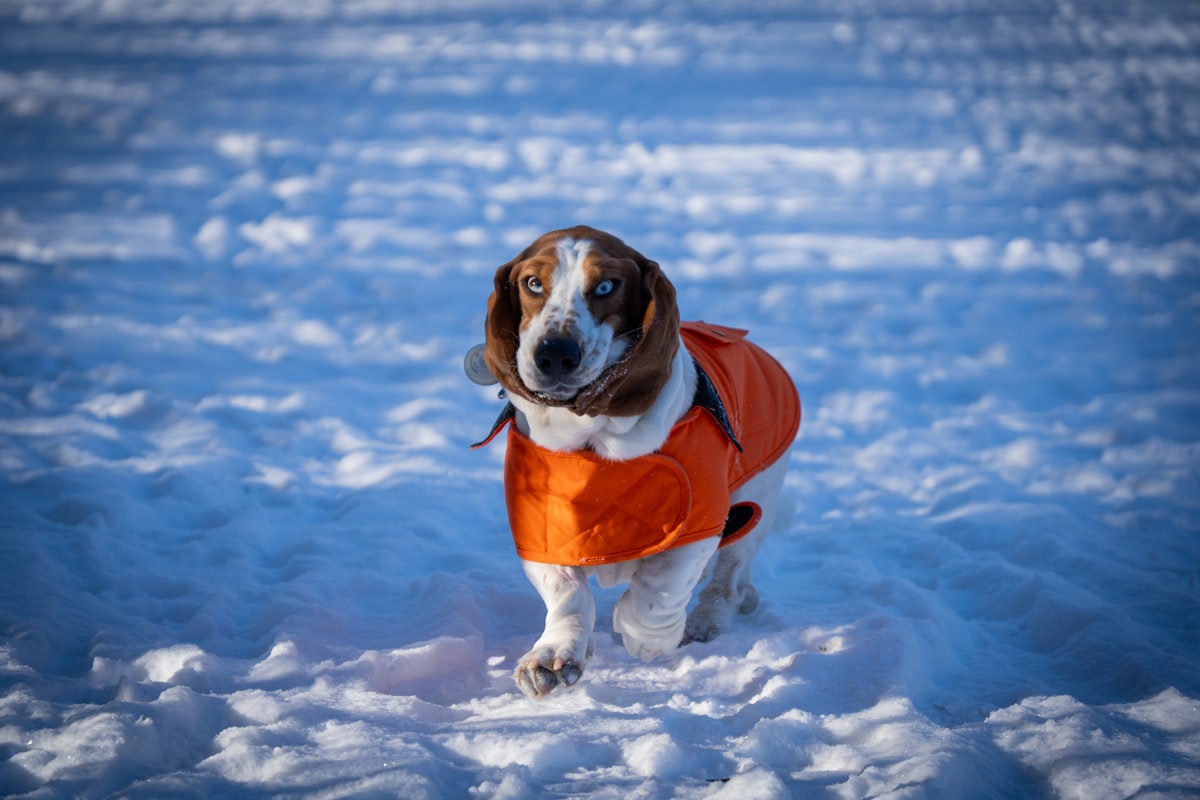
While you wait for skeletal maturity, you can condition your dog to wearing a pack without weight.
Early empty pack training provides several advantages. Your dog becomes comfortable with the sensation of wearing something on their back. You can perfect the fit and adjustment without worrying about weight distribution. Trail manners develop without the distraction of carrying a load. And when you do add weight later, the transition becomes much smoother.
Introduce an empty pack gradually. Start by letting your dog sniff and investigate the pack on the ground. Then place it on your dog briefly while offering high-value treats. Gradually increase wearing time at home over several sessions. Progress to wearing the empty pack on short walks around the neighborhood. Finally, bring the empty pack on actual hikes.
Watch for signs that something is wrong with the fit or that your dog needs more conditioning time. Rubbing or chafing under straps indicates poor fit. Restricted movement or gait changes suggest the pack isn't sitting correctly. Stress signals like lip licking or whale eye mean your dog isn't comfortable yet. Attempts to remove or escape the pack signal that you're moving too fast.
Fix fit issues before adding weight. An uncomfortable empty pack becomes intolerable with load.
Introducing Weight Safely
Once your dog's growth plates have closed, introduce weight gradually.
Start conservatively. Begin with 5% or less of your dog's body weight. Use soft, flexible items that shift with movement rather than rigid objects that create pressure points. Distribute weight evenly between the two sides. Keep initial hikes short and easy.
Progression should be gradual. During weeks one and two, stick with 5% body weight on 30-minute hikes. Weeks three and four can increase to 7% body weight on 1-hour hikes. By weeks five and six, you can try 10% body weight at regular distance. Week seven and beyond allows gradual increase toward maximum capacity as your dog tolerates it.
Several signs indicate you need to reduce weight. Gait changes or awkward movement suggest the load is too heavy. Lagging behind more than usual shows fatigue. Reluctance to wear the pack signals discomfort or negative association. Soreness after hiking means you've exceeded your dog's current capacity.
Never rush progression. Your dog doesn't need to carry maximum weight immediately.
Pro Tip
Water is ideal starting weight. It's soft, distributes well, and you're carrying it anyway. As your dog drinks and weight decreases, the load naturally lightens through the hike.
Maximum Weight Guidelines
Even fully mature, conditioned dogs have weight limits. These percentages represent maximums, not targets.
| Dog Condition | Max Weight | Example (60 lb dog) |
|---|---|---|
| Fit, conditioned | 10-15% body weight | 6-9 lbs |
| Occasional hiker | 10% or less | 6 lbs |
| Senior dog | 5-10% | 3-6 lbs |
| Joint issues | Vet consult, possibly none | Case by case |
Many dogs do fine carrying less than these maximums. We rarely load our dogs to their theoretical limits.
Several factors reduce safe capacity below these guidelines. Rough or steep terrain demands more from each step. Hot weather adds stress that shouldn't be compounded with weight. Long distances exhaust reserves. Previous injuries create weak points. Some breed conformations handle weight poorly regardless of general fitness.
Weight Distribution Matters
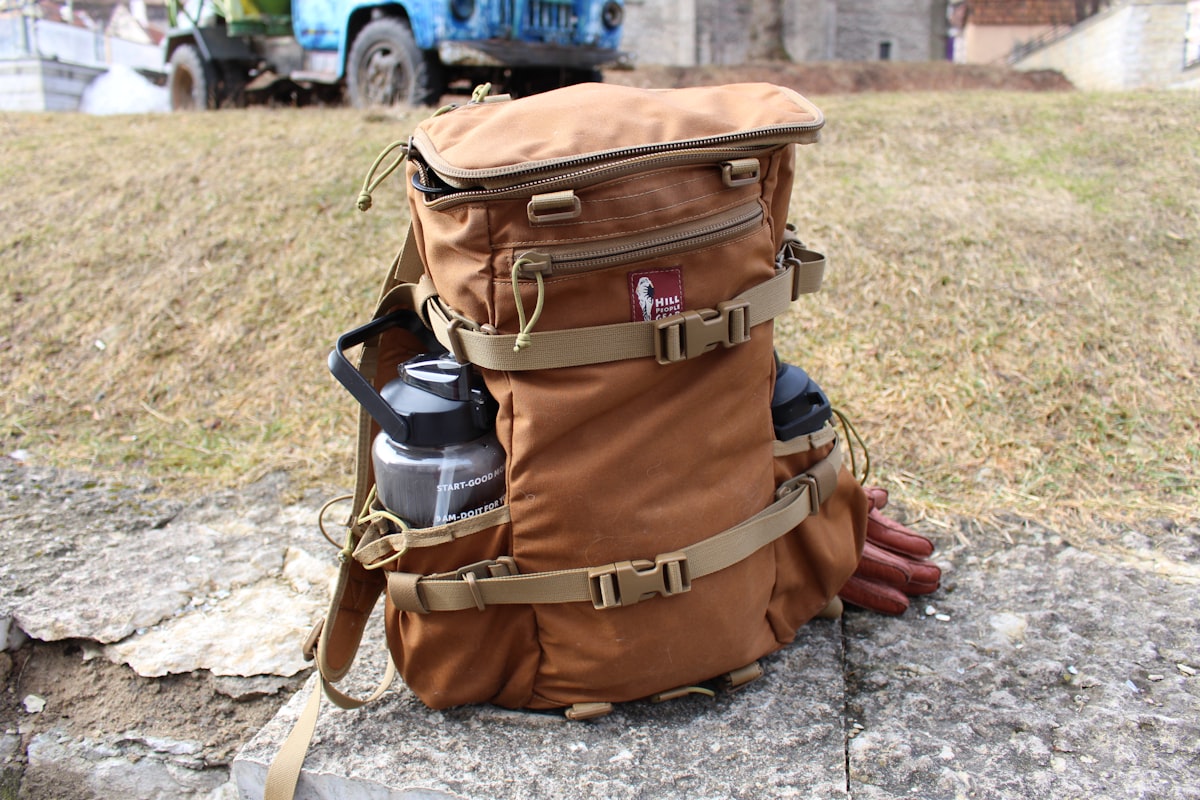
How weight sits in the pack affects both comfort and safety. Equal weight on each side keeps your dog moving naturally. Heavy items should sit low and close to the spine where they're most stable. Soft items work better on outer edges where they won't create pressure points. Nothing should poke into your dog's body.
Poor distribution creates cascading problems. Your dog lists to one side, their spine twisting under the uneven load. They compensate with awkward movement patterns. Fatigue develops faster as muscles work to counterbalance. The risk of muscle strain increases with every mile.
Practical packing requires attention. Weigh each side separately if you have a kitchen scale. Use internal compartments to prevent contents from shifting during movement. Recheck the balance after your dog moves around, since active motion redistributes contents. Stop during the hike to rebalance if you notice your dog moving unevenly or if the pack has shifted visibly to one side.
Health Screening First
Before starting any pack training, confirm your dog is structurally sound.
Recommended screening includes a veterinary exam focusing on orthopedics, hip and elbow evaluation for predisposed breeds, discussion of any previous injuries, and assessment of overall body condition. Your vet can identify issues you might not notice during regular activity.
Several conditions may prevent pack carrying entirely. Hip dysplasia, even mild cases, adds stress to already compromised joints. Elbow dysplasia creates similar concerns for the front legs. Spinal issues risk worsening under load. Previous ACL or CCL injuries may not have healed with full strength. Luxating patella creates instability that pack weight can aggravate.
Dogs with these conditions may still hike but shouldn't carry additional weight. Their bodies already work harder than normal to move.
Signs of Overloading
Watch for these indicators that the weight is too much.
During the hike, watch for a slowed pace compared to empty-pack hikes, reluctance to climb or navigate obstacles that your dog normally handles easily, sitting or lying down frequently, and heavy panting that isn't explained by temperature or terrain.
After the hike, concerning signs include stiffness or reluctance to rise after resting, limping or favoring certain legs, excessive tiredness beyond normal post-hike fatigue, and muscle soreness when you touch your dog's back or shoulders.
Over time, chronic overloading creates lasting problems. Decreasing enthusiasm for pack hikes suggests negative associations forming. Avoidance behavior when the pack appears indicates your dog expects discomfort. Chronic lameness or stiffness that wasn't present before points to developing joint damage. Vet-confirmed joint changes represent the worst outcome of pushing too hard.
Any of these signs means you need to reduce weight or consult your veterinarian.
Frequently Asked Questions
Dr. Jennifer Coates, DVM, brings 25+ years of clinical experience to Paths & Paws. Based in Fort Collins, Colorado, she specializes in preventive medicine and evidence-based nutrition for active dogs.